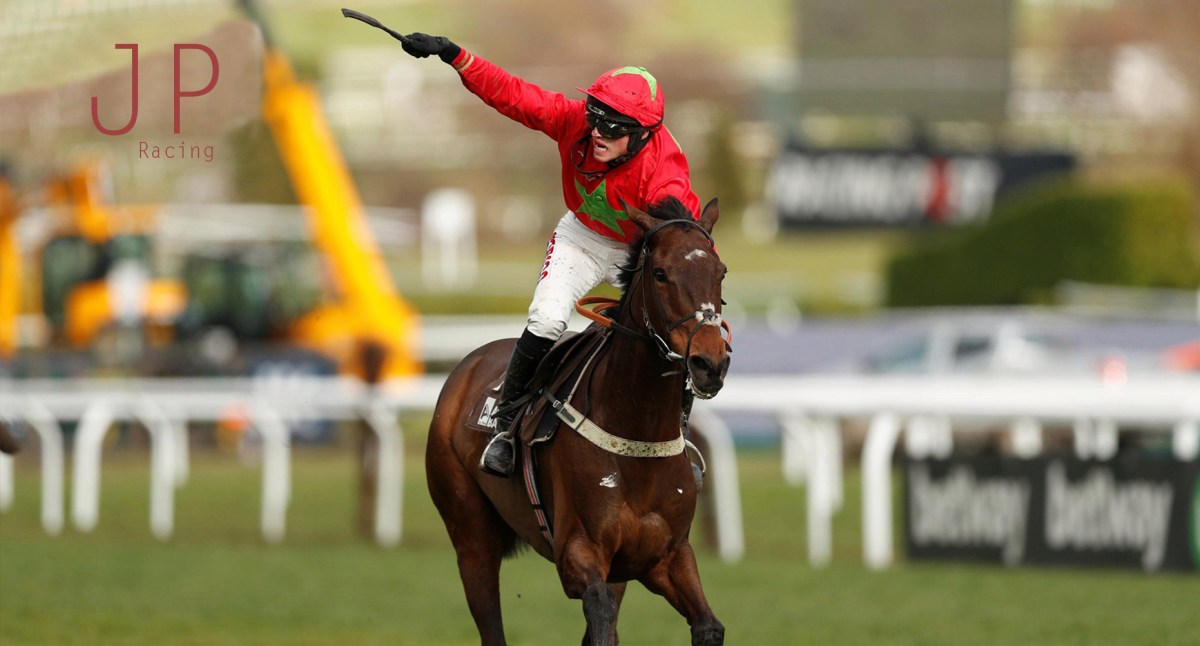
In the exhilarating world of National Hunt racing, where equine athletes leap over formidable obstacles with grace and power, certain races hold a unique significance beyond just the immediate prize money. These are the handicap hurdle qualifier races, pivotal events that act as crucial stepping stones for horses aspiring to compete in prestigious finals. Understanding these qualifiers isn't just for racing professionals; it's essential for anyone who follows the sport, from casual fans to serious bettors looking for an edge. These races shape the landscape of future big-race contenders and offer a fascinating glimpse into a horse's potential trajectory.
What Exactly is a Handicap Hurdle Qualifier?
To fully grasp the concept of a handicap hurdle qualifier, we must first break down its components. A "handicap hurdle" is a type of National Hunt race where horses are assigned different weights to carry based on their official rating. The aim of handicapping is to create a level playing field, giving every horse (theoretically) an equal chance of winning. This system makes for incredibly competitive and often thrilling finishes, as superior horses carry more weight, while those deemed less capable carry less.
The "qualifier" aspect adds another layer of importance. A qualifying race is one that, if a horse meets certain conditions (such as finishing in a specific position, achieving a particular handicap mark, or simply participating), grants them eligibility to compete in a more significant, often higher-value, final race or series. These finals are typically major targets for trainers and owners, offering substantial prize money and prestige.
One of the most famous examples is the series of qualifiers for the Pertemps Network Final at the Cheltenham Festival. Throughout the season, specific handicap hurdles are designated as Pertemps qualifiers. A horse might need to finish in the first six (or sometimes four) in one of these races to gain qualification. Similarly, the Challenger Series offers a pathway for horses in lower handicap bands to compete for valuable finals across various disciplines, including handicap hurdles. These series provide a clear ladder for horses to climb, adding structure and narrative to the racing calendar.
The Mechanics Behind the Qualifying Process
The rules governing qualification vary depending on the specific series or final. However, common criteria for a horse to secure a spot in a big final via a handicap hurdle qualifier often include:
- Finishing Position: The most common requirement is for a horse to finish within a certain number of places (e.g., top four, top six) in a designated qualifier. This demonstrates a certain level of form and competitiveness.
- Running in a Minimum Number of Qualifiers: Some series might require a horse to have run in at least one (or more) qualifying races, even if they didn't finish in the stipulated places, to be considered for entry into the final.
- Achieving or Maintaining a Handicap Mark: While not always a direct qualifying condition, a horse's official handicap rating is intrinsically linked. Trainers often strategically run horses in qualifiers, sometimes without trying to win, to either get a mark or ensure their mark doesn't rise too much before the final. A horse might need to be within a certain handicap range to be eligible for the final race.
- Declaration and Entry: Once qualified, the horse must still be formally entered and declared for the final, subject to standard racing rules and entry fees.
Trainers approach these qualifying races with a highly strategic mindset. It's not always about winning the qualifier itself. For instance, a trainer might want a horse to qualify for a final but avoid a significant hike in its handicap mark. Therefore, a horse might run a good race, finish in the qualifying places, but not necessarily be pushed to win, thereby preserving its current handicap rating for the more valuable final. Conversely, a horse might be unexposed and the trainer uses the qualifier to secure a decent handicap mark, hoping for improvement later.
The role of the handicapper is paramount here. Following each race, the handicapper reviews the performance of all runners and adjusts their official ratings accordingly. A good run in a qualifier will often see a horse's mark rise, which can be a double-edged sword: it means the horse is improving, but it also means carrying more weight in future handicaps, including the final. This delicate balance between qualifying and managing a horse's rating is a testament to the tactical depth of National Hunt racing.
For deeper insights into how these series operate, particularly regarding the renowned Challenger Series, you might find The Challenger Series: How Handicap Hurdle Qualifiers Work to be an illuminating read.
Why Are Handicap Hurdle Qualifiers So Important?
The importance of handicap hurdle qualifier races extends across all facets of the racing community, from the horses themselves to the avid bettors.
For Horses & Their Connections:
- Pathway to Prestige: Qualifiers provide a structured route for horses to target significant races, particularly major festival finals like those at Cheltenham or Aintree. These finals carry immense prestige, trophy value, and substantial prize money, making them primary goals for owners and trainers.
- Development and Experience: Running in qualifiers allows horses to gain valuable racecourse experience under competitive handicap conditions. It helps them mature, learn to race in a big field, and adapt to different tracks and ground conditions, preparing them for the rigors of a major final.
- Financial Incentives: Even without winning the qualifier, securing a spot in a lucrative final can open doors to much larger prize funds. For smaller operations, qualifying a horse for a major final can be a significant financial boost and a career highlight.
- Breeding Value: A horse that successfully qualifies for and runs well in major finals enhances its future breeding value, particularly if it's a mare or an ungelded colt.
For Bettors & Racing Enthusiasts:
- Form Puzzles & Betting Opportunities: Qualifiers are often fiercely competitive races, providing excellent betting opportunities. Understanding which horses are genuinely trying to win, which are aiming to qualify, and which are trying to get a good handicap mark adds a layer of complexity and strategy for bettors. This makes the form analysis incredibly engaging.
- Insights into Future Targets: Paying close attention to how horses perform in qualifiers can offer crucial clues about their targets for the rest of the season. A strong, qualified run might signal a horse is being primed for a major festival, allowing astute bettors to track its progress.
- Value Betting: Horses that finish well in a qualifier but don't win (due to tactical riding to protect their handicap mark) can sometimes offer excellent value in the subsequent final, as their odds might not fully reflect their true ability or intent.
The strategic nuances involved in these races mean that simply looking at the winner of a qualifier doesn't tell the whole story. Astute observers will scrutinize the performances of all horses that finish in the qualifying spots, considering how they were ridden and what their likely next targets might be. This depth makes handicap hurdle qualifiers some of the most fascinating races on the calendar.
For those interested in the financial aspects and wagering strategies, a dedicated look into Pertemps Network Handicap Hurdle Qualifiers: Betting Insights could prove invaluable.
Analyzing Performance in Qualifiers: Tips for Bettors
Betting on handicap hurdle qualifier races, or on horses that have previously run in them, requires a nuanced approach. Here are some practical tips and insights:
- Understand the Specific Qualifying Conditions: Before placing a bet, know what the qualification requirements are for the specific series. Does a horse need to finish in the top four, six, or simply complete the race? This impacts trainer strategy significantly.
- Look Beyond the Winner: A horse that finishes second, third, or fourth in a qualifier but was clearly held up or not fully ridden out can be a much better bet for the final than the actual winner, who might have earned a significant hike in their handicap mark.
- Trainer Comments: Always check post-race comments from trainers. They often give clues about a horse's intentions or satisfaction with a qualifying run. Comments like "he did enough" or "we got him qualified" are tell-tale signs.
- Handicap Mark Management: Pay attention to a horse's handicap rating before and after the qualifier. A horse running off a tempting mark that qualifies without winning and without a significant rise in its rating becomes a very interesting prospect for the final.
- Course and Distance Form: While securing qualification is key, genuine ability and suitability for the specific course and distance of the final are still paramount. A horse that qualifies well but has no form on the track where the final is held might still struggle.
- Going Preferences: Many horses have strong preferences for certain ground conditions (heavy, soft, good). Ensure the going in the qualifier and the anticipated going in the final align with the horse's proven abilities.
- Jockey and Stable Form: A jockey who understands the intricacies of riding in qualifiers (when to push, when to conserve) is a valuable asset. Also, consider the overall form of the stable – are they in a good run of form with their jumpers?
By integrating these factors into your analysis, you can move beyond superficial form study and uncover genuine value in these strategically vital races. The thrill of identifying a future star or a cleverly campaigned horse through their qualifier performance is one of the great joys of National Hunt racing.
Conclusion
In conclusion, handicap hurdle qualifier races are far more than just ordinary races on the National Hunt calendar. They are intricate strategic battles, essential pathways to prestige, and a proving ground for equine talent. For horses, they offer a structured route to major festival glory; for trainers, they present a challenging puzzle of form and handicapping management; and for bettors, they provide unparalleled opportunities for deep analysis and value discovery. Understanding their nuances is key to appreciating the full depth and excitement of jump racing, offering insights that can inform your selections long after the immediate dust has settled.